Hamiltons
Hamiltons
SPECIAL HOURS
- Breakfast Jul 13 - Aug 14, 8:00 am - 9:30 am
- summer hours
- Dinner Jul 13 - Aug 14, 4:00 pm - 6:00 pm
- summer hours
- Brunch Jul 13 - Aug 16, 10:30 am - 1:00 pm
- summer hours
- Lunch Jul 13 - Aug 14, 11:00 am - 1:00 pm
View/Print Weekly Menu
- Breakfast Served from 8:00 am - 9:30 am
- Brunch 10:30 am - 1:00 pm
- Lunch 11:00 am - 1:00 pm
- Dinner 4:00 pm - 6:00 pm
Weekly Schedule
- Breakfast Mon-Fri, 7:15 am - 9:30 am
- Brunch Sat-Sun, 10:30 am - 2:00 pm
- Lunch Mon-Fri, 11:00 am - 1:30 pm
- Dinner Sat-Sun, 4:00 pm - 7:00 pm
Breakfast
grate & griddle
Brunch
grate & griddle
Lunch
grate & griddle
Dinner
grate & griddle
Menu Icon Legend
FOOD ALLERGIES
Serving Students with Food Allergies and Celiac Disease
The dining services team is well-trained in food allergy awareness and offer a number of options for students with food allergies and celiac disease. This includes communication about and modification to existing menu items, special preparation of menu items, and access to special products as agreed upon with students.
Daily menus for each café can be accessed at beloit-college.cafebonappetit.com. Menu items that are appropriate options for most students with celiac disease are labeled as “made without gluten-containing ingredients” and can be filtered to streamline searching using the dietary preferences filter. Top-9 allergens are included in menu names and/or descriptions whenever possible and ingredient questions can be answered by our trained managers/chefs on-site.
Dining Without the Top-9
We understand that our guests with special dietary needs, albeit food allergies, celiac disease, lactose intolerance, or any other medically necessary diet simply want a safe place to make food choices, quickly. To allow guests to have readily available options that meet their needs, we offer SimplyOASIS — a destination in the café where all meals are prepared without the use of top-9 allergens plus gluten through the sole use of whole foods.
AVOIDING GLUTEN?
The Commons offers a station dedicated to providing meals made without gluten-containing ingredients. The Avoiding Gluten station provides menu choices that are based on ingredients that are naturally gluten-free or are gluten-free alternatives to traditional options. At this station, food is prepared by a trained culinarian, in a separate area of the kitchen, and following specific procedures to minimize risk of cross-contact.
ADDITIONAL RESOURCES
For more on eating with a food allergy in our café, visit this page and view the guide on Food Allergies and Celiac Disease at Beloit College below.
For questions about these services or to request food allergy accommodations, students should contact:
Scott Zoellick, General Manager
scott.zoellick@cafebonappetit.com
(608) 363-2927
Learning Enrichment and Disability Services
learning@beloit.edu
(608) 363-2572
Healthy Athletes in the Bon Appétit Kitchen
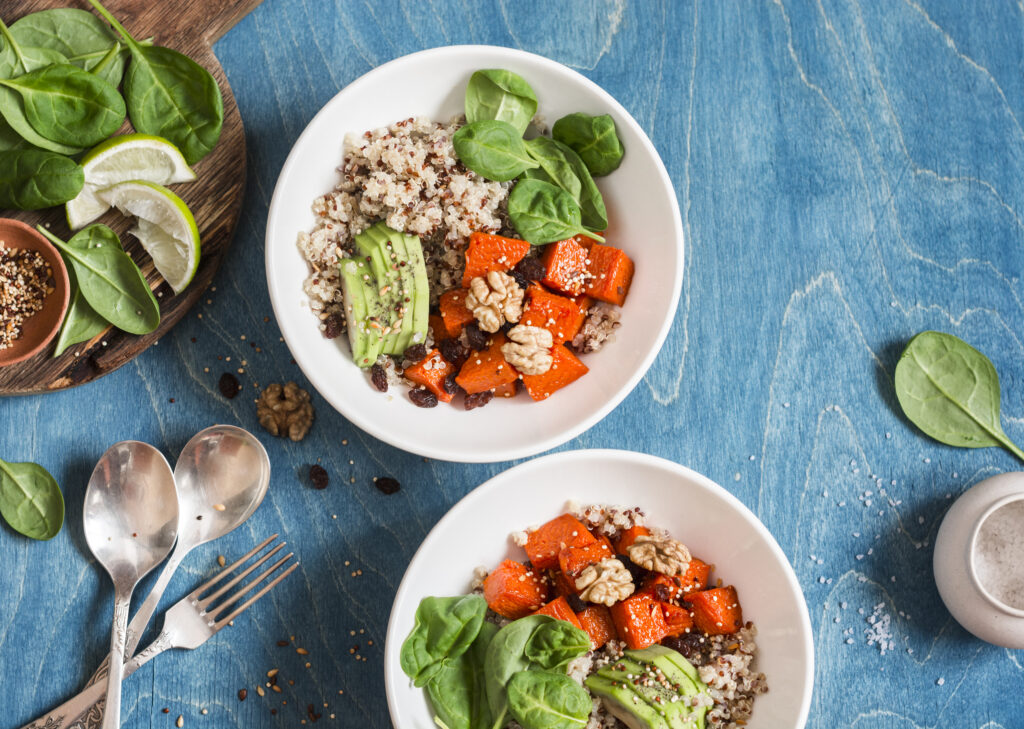
Pressure is high for competitive collegiate athletes — and it’s no secret that an athlete’s food choices affect their performance on and off the field. Bon Appétit’s Healthy Athletes in the Kitchen provides education to help student athletes bridge the gap between food choices and how to optimize sports performance and post-exercise recovery.
Click here to read more about eating for sports performance — both in and away from the café — with the ultimate goal of improving their athletic performance.
Stay Fresh
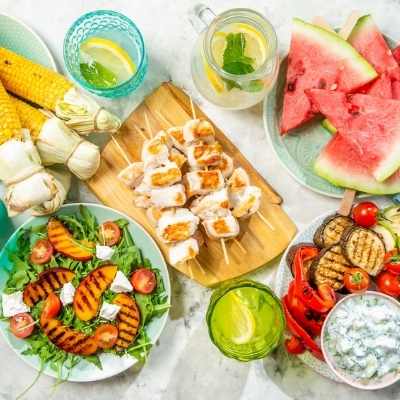
Sizzle Without the Steak: Grilled Plants that Wow
Fire up the grill this summer and transform fresh fruits and vegetables into smoky, satisfying alternatives to classic barbecue favorites.

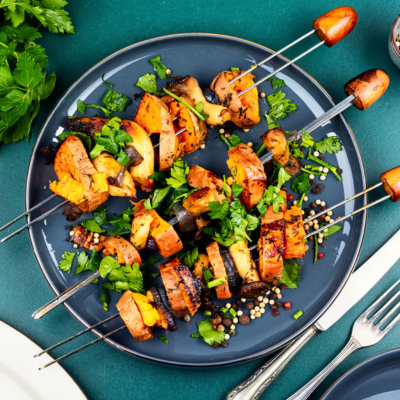
The Maillard Magic
The Maillard reaction is the secret behind smoky, golden-brown plant foods that steal the spotlight at the grill.

9 Tips to Make Cooking with Kids Fun and Stress-Free
Nine practical tips to make cooking fun while keeping kitchen chaos in check.
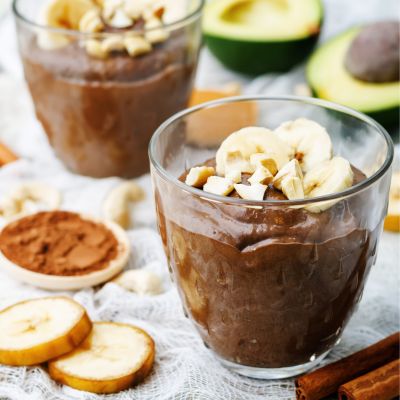
ABC Pudding
Smooth avocado, banana, and chocolate pudding that is rich, sweet, and packed with nutrients.
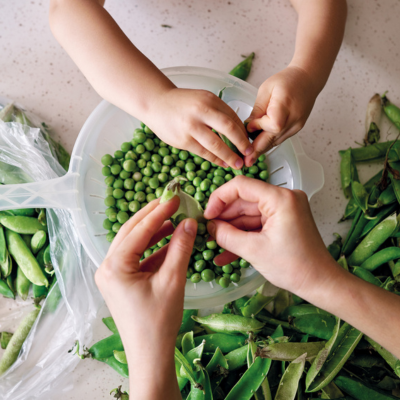
Where Messy Meets Magic: How Culinary Play Supports Developmental Milestones
Culinary activities are engaging and empowering ways to support developmental milestones.

Commemorating Juneteenth
We are reflecting on the history of Juneteenth while creating space to honor the holiday with our community partners

Quenching Your Thirst
Hydration doesn’t have to stop at your water glass. Discover fun, creative ways to keep your fluids up.
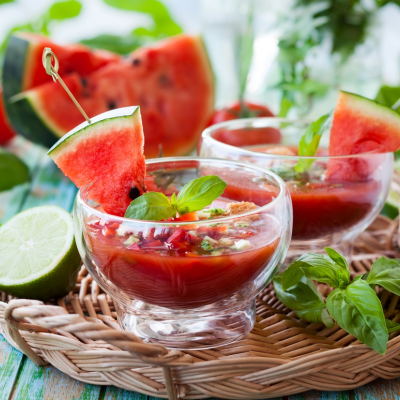
Watermelon Gazpacho
Sweet, juicy watermelon puts a refreshing spin on a classic savory summer staple, delivering a hydrating bowl perfect for hot summer days.
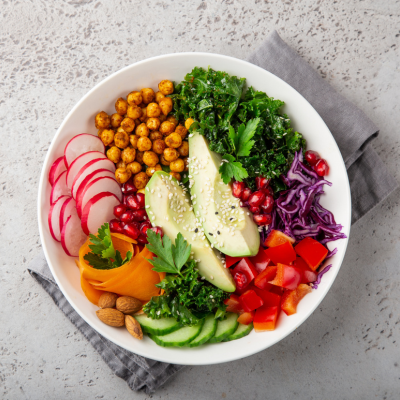
Stay Cool in the Kitchen When the Weather Heats Up
Fresh, no-fuss meals packed with seasonal flavor make it easy to stay cool in the kitchen and spend more time enjoying summer.

Amplifying Queer Voices in Food with Vanessa Parish
QFF Executive Director on their mission to ensure queer food professionals are supported, represented, and connected
Cooking with the Queer Food Foundation
Celebrating community and resilience through two joyful recipes shared by LGBTQ+ chefs
Introducing our 2026 LGBTQ+ Pride Partner
We are proud to support the Queer Food Foundation in building a more inclusive, equitable food industry

Cognitive Crunch: 10 Brain-Boosting Bites
Incorporating these brain-boosting foods can be a delicious way to support cognitive health.
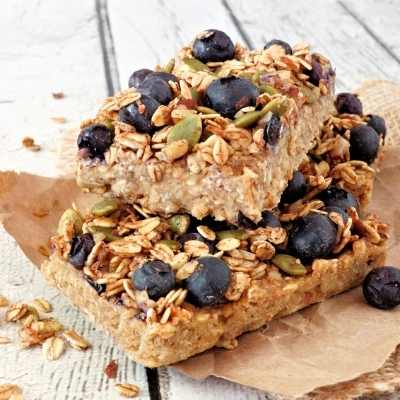
Homemade Blueberry Pepita Granola Bars
These granola bars whip up quickly and will help nourish you for whatever your day might bring.
PACK-OUTS, TREATS, & SUBMIT RECIPES
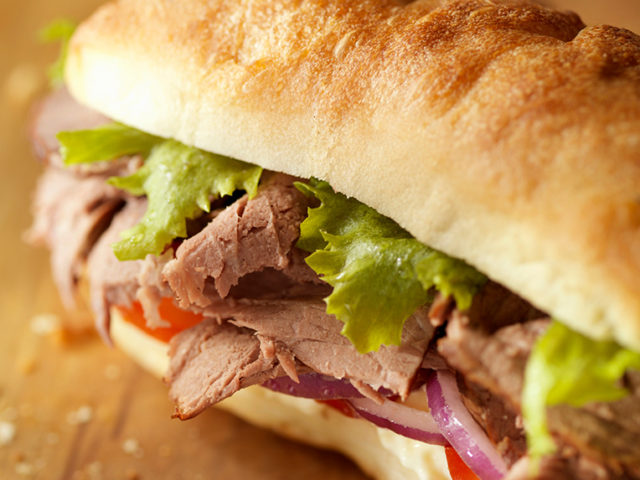
STUDENT GROUP PACK-OUT
Don’t have time to dine in the cafe? Do you have an offsite tournament or activity? We’ve got you covered! Place your order in advance for pack-out meals!

FROM ME TO YOU
Share it! Not sure what to gift your roommate, coworker, or student? We’ve got you covered with easy ordering of these house-made sweet treats. | 48 house in advance notice is appreciated. Thank you!

RECIPES FROM HOME
Whether you’re a student with a favorite recipe you hope to see in the cafe, or a parent wanting to have your student’s favorite home-cooked recipe featured – send it in!
Who knows…YOUR recipe may be featured in the café!
Eat Right — For You
Wellness
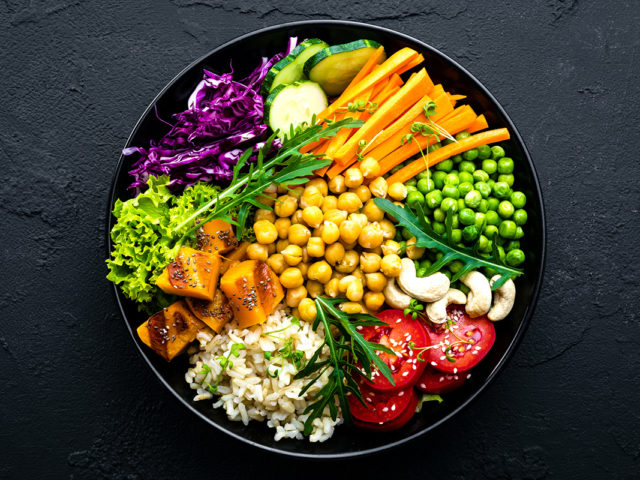
When it comes to wellness, Bon Appétit’s focus is on simple, delicious food — that happens to be good for you. To support long-term health, we are bringing more plants to menus every day in a craveable way, while emphasizing healthy cooking techniques. When healthy food tastes good, nourishing your body and mind becomes the easy choice.
Food Allergies
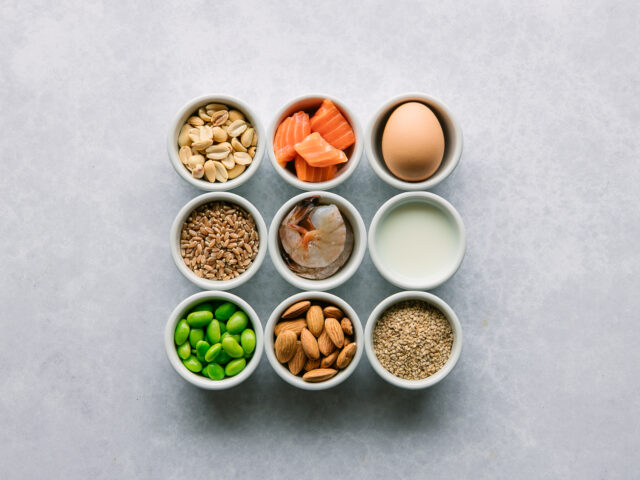
We serve thousands of guests with food allergies and sensitivities safely in our cafés every day. Our chefs, managers, and dietitians work closely with our food-allergic guests to create reasonable solutions to help them eat what they love. If you have questions about eating for your dietary needs in our cafés, reach out to us: we’ll gladly meet with you.
Sustainability
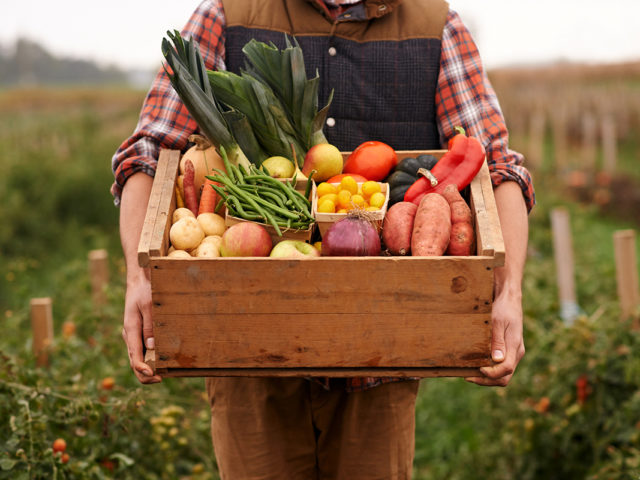
Wellness also includes the health of the animals, the workers, the community, and the Earth. They’re all connected. Bon Appétit has been committed to “food service for a sustainable future” for decades, and we’ve led the food service industry in tackling many important issues, such as cage-free eggs, antibiotics in animal production, and farmworker rights.
Subscribe to Menu Mail

Tell Us What You Think
Common Questions
- I’ve been trying to eat a healthier diet. Will I be able to find a healthy food choice in my café?
- Can you tell me how many calories are in the foods in my café?
- How will you handle my concerns about a food allergy?

Repeat each phrase multiple times to manifest the ideal July 💅
🗣️ I will resist the urge to squeeze peaches to test their ripeness.
🍦 I will enjoy ice cream with my friends an unreasonable number of times.
🍢 I will grill vegetables with as much care as I do meat.
☀️ I won`t spend time outside without using sunscreen!
👨🌾 I will try the unfamiliar produce I saw at the farmers` market.


Stop using anti-grilled plant language 🫑🌽🍍
Instead of: "Can I get a juicy steak?"
Try saying: "While a steak can be juicy, I’d enjoy a thick slice of marinated, grilled eggplant, portobello mushroom, or cauliflower because they have a rich flavor profile that will satisfy me without breaking the bank."
Instead of: "I`d like a salad with grilled chicken."
Try saying: "I want to explore the various uses of the grill to its fullest extent. Could I trouble you to make me a grilled romaine salad with cherry tomatoes, crispy tempeh bacon, and parmsesan cheese?"
Instead of: "Load up my hot dog Chicago-style."
Try saying: "I do not intend to offend Chicago residents, but I have always wondered how a grilled carrot dog would taste. Perhaps I can still use classic toppings to prevent a true uprising due to my sensibilities."
Instead of: "Turn on the oven — I want a side of fries."
Try saying: "‘Tis sweltering outside right now, and I dare not increase my electricity bill further by turning on my in-home roasting device. Rather, I will start the grill and use its unique powers of infusing flavors to make my potato wedges sing!"
Instead of: "Can we have a fruit salad for dessert?"
Try saying: "Although fruit is often delectable in its raw state, I think that we could instill complex flavors by grilling it and adding simple but effective toppings. Perhaps watermelon with balsamic glaze or peaches with crème fraîche?"

It’s time to treat salads like a centerpiece, bursting with flavor, rich in textures, and filled with nutrients. No rules or recipes here, just ideas to supercharge your salads:
1️⃣ Start with a bold base of peppery arugula, hearty (massaged) kale, colorful cabbage, or a blend of herbs.
2️⃣ Play with textures. Add crunch with roasted chickpeas, nuts, seeds, or crispy shallots. Make it creamy with avocado, feta, or hummus. And juiciness with cherry tomatoes, pomegranates, or fresh citrus!
3️⃣ Add that charred charm with grilled vegetables. Or go unexpectedly sweet with grilled pineapple, peaches, or watermelon. (Don`t forget a grilled protein like tofu, halloumi, or chicken!)
4️⃣ Dress to impress (yourself) with these bold dressing ideas:
🍋 Citrus vinaigrette with orange and lemon juice, olive oil, apple cider vinegar, honey, and Dijon mustard.
🧄 Tahini dressing with tahini, olive oil, garlic, lemon juice, warm water, and a touch of maple syrup.
🥑 Green goddess dressing with yogurt, herbs, avocado, capers, and lime juice.
5️⃣ Finish your salad with an unexpected flair. Consider adding everything from fresh herbs and citrus zests to spices like za`atar and sumac and drizzles of balsamic glaze or hot honey!

Why is grilled food so delicious? We will let you in on a little secret: It`s science. 🤫
The smoky, savory flavor of browned edges and irresistible aromas of grilling is the result of a process called the Maillard reaction, which is a natural chemical reaction. The best part? Vegetables and plant proteins will develop these rich flavors when grilled, too. All you need to be successful is the right balance of temperature, moisture, and time.
These plant-based foods brown beautifully, developing umami when grilled:
🌱 Tofu and tempeh
🍄🟫 Mushrooms
🫓 Flatbreads and sourdough
🧅 Onions and sweet potatoes
Keep these grilling tips in your toolkit to excel at developing flavor:
1️⃣ Use a blend of acid, oil, and sweetness for a balanced marinade. (Bump the umami with soy sauce or miso!)
2️⃣ Pat your food dry before grilling so your sear doesn`t steam.
3️⃣ Grill baskets can be your best friend for smaller items. Larger vegetable cuts can be placed directly on the grill.
4️⃣ Let it cook! Leave your food undisturbed to give it time to brown.

What`s in season for summer? Turn your farmers` market haul into a delicious, low heat summer line-up with these ideas:
🍑 Grill up your favorite stone fruit and add it to a bed of arugula with a simple dressing for a refreshing salad
🍉 Make a mocktail by blending up watermelon and topping it with ginger beer and fresh lime. (Use an iced copper mug for maximum chill factor!)
🌽 Make a zesty corn salsa with cilantro, tomatoes, and onions
🧊 Blend cantaloupe with coconut milk, lime, and ginger and freeze in popsicle molds
🍅 Enjoy a thick slice of heirloom tomato on crusty bread with basil and burrata
🍓 Berries are yummy when cooked, but summer is the time for eating them fresh from the market
🫘 Sneak zucchini and other summer greens into black bean enchiladas

Getting connected with our food begins early. What if we told you that food literacy — knowledge about how food is grown, raised, and transported to how it is purchased, prepared, and managed — begins at a young age?
Think of the kitchen as a key to developmental growth. Cooking reinforces a wide range of age-specific milestones:
👉 From 2-3, have kids rinse produce, tear greens, or stir batter to help them with fine motor skills, enjoy sensory play, and build vocabulary.
👉 From 4-5, introduce measuring and have them cut soft foods with a butter knife to teach early math and sequencing skills and improve hand-eye coordination.
👉 From 6-8, encourage kids to read simple recipes for you, crack eggs, and try using a peeler. This can aid in literacy, independence, and following more complex instructions.
👉 From 9-12, you can start introducing everything from chopping and sautéing (with supervision!) and planning meals. This builds critical thinking and time management skills and builds confidence.
The best part? Kids often think of this as a fun activity, not a learning space. From developing measuring and reading skills to improving self-confidence and instilling a love for vegetables and fruits, having kids cook in the kitchen is a no-brainer.

These "vegetables of mystery" aren`t as obscure as they seem. You might find yourself asking, "Who is she?" Well, she`s not a turnip!
Everyone? Meet kohlrabi, sometimes called a German turnip. Although kohlrabi might be having an identity crisis, that`s because it can be used any way you might use a carrot or a potato. (Kohlrabi is coming for potato`s job tbh.) Here are some of the ways to enjoy this farmers` market fave:
➡️ Enjoy it raw for a crisp, lightly sweet bite with a dip of your choice.
🍟 Transform it into home fries by browning in a pan over medium to medium-high heat with neutral oil. Top with your favorite spice!
😁 Add to spring rolls for a crisp bite.
🥔 Despite potato`s best efforts, kohlrabi is delicious boiled and mashed like you would prepare a potato.
🥒 Step aside cucumbers, kohlrabi is the perfect pickle with salt, turmeric, and mustard powder.
🥞 You can even grate it into pancakes or fritters!
Now that we have convinced you (and some friendly produce) of the versatility of Kohlrabi, here is a haiku, inspired by your new fave:
Bulbous stem grows squat
Turnip-like with leaves askew
Rebel brassica

As questions about water conservation continue to rise during the hot summer months, we`re taking an honest look at food`s role in water use. 🤔
Agriculture uses more water than you do in a day just to produce a few ounces of beef. Let`s break that down:
🏘️ The average American personally uses 60 gallons of water per day, but agriculture is responsible for 80 to 90 percent of America`s consumptive water use.
🐄 Producing just 4 ounces of beef requires more than 463 gallons of water. That`s equivalent to your daily water use for over a week... for a modest serving of beef.
🍔 An average American cheeseburger, in comparison, takes about 800 gallons of water to produce, the majority of which is due to the beef and cheese.
Here`s how other foods compare:
👉 4 ounces of rice takes 73 gallons of water
👉 4 ounces of strawberries take 10 gallons of water
👉 4 ounces of tofu takes 76 gallons of water
👉 4 ounces of carrots take 6 gallons of water
What can you do? Join us in reducing your meat and dairy consumption, which is a great way to reduce both carbon emissions and water use.
Source: EcoRise and watercalculator.org

SEE WHAT WE ARE UP TO!
bon_appetit_beloit
622 497
Proudly serving sustainable, fresh, and local food and service to the students and staff of Beloit College
Repeat each phrase multiple times to manifest the ideal July 💅
🗣️ I will resist the urge to squeeze peaches to test their ripeness.
🍦 I will enjoy ice cream with my friends an unreasonable number of times.
🍢 I will grill vegetables with as much care as I do meat.
☀️ I won`t spend time outside without using sunscreen!
👨🌾 I will try the unfamiliar produce I saw at the farmers` market.
Repeat each phrase multiple times to manifest the ideal July 💅
🗣️ I will resist the urge to squeeze peaches to test their ripeness.
🍦 I will enjoy ice cream with my friends an unreasonable number of times.
🍢 I will grill vegetables with as much care as I do meat.
☀️ I won`t spend time outside without using sunscreen!
👨🌾 I will try the unfamiliar produce I saw at the farmers` market. ...
Stop using anti-grilled plant language 🫑🌽🍍
Instead of: "Can I get a juicy steak?"
Try saying: "While a steak can be juicy, I’d enjoy a thick slice of marinated, grilled eggplant, portobello mushroom, or cauliflower because they have a rich flavor profile that will satisfy me without breaking the bank."
Instead of: "I`d like a salad with grilled chicken."
Try saying: "I want to explore the various uses of the grill to its fullest extent. Could I trouble you to make me a grilled romaine salad with cherry tomatoes, crispy tempeh bacon, and parmsesan cheese?"
Instead of: "Load up my hot dog Chicago-style."
Try saying: "I do not intend to offend Chicago residents, but I have always wondered how a grilled carrot dog would taste. Perhaps I can still use classic toppings to prevent a true uprising due to my sensibilities."
Instead of: "Turn on the oven — I want a side of fries."
Try saying: "‘Tis sweltering outside right now, and I dare not increase my electricity bill further by turning on my in-home roasting device. Rather, I will start the grill and use its unique powers of infusing flavors to make my potato wedges sing!"
Instead of: "Can we have a fruit salad for dessert?"
Try saying: "Although fruit is often delectable in its raw state, I think that we could instill complex flavors by grilling it and adding simple but effective toppings. Perhaps watermelon with balsamic glaze or peaches with crème fraîche?"
Stop using anti-grilled plant language 🫑🌽🍍
Instead of: "Can I get a juicy steak?"
Try saying: "While a steak can be juicy, I’d enjoy a thick slice of marinated, grilled eggplant, portobello mushroom, or cauliflower because they have a rich flavor profile that will satisfy me without breaking the bank."
Instead of: "I`d like a salad with grilled chicken."
Try saying: "I want to explore the various uses of the grill to its fullest extent. Could I trouble you to make me a grilled romaine salad with cherry tomatoes, crispy tempeh bacon, and parmsesan cheese?"
Instead of: "Load up my hot dog Chicago-style."
Try saying: "I do not intend to offend Chicago residents, but I have always wondered how a grilled carrot dog would taste. Perhaps I can still use classic toppings to prevent a true uprising due to my sensibilities."
Instead of: "Turn on the oven — I want a side of fries."
Try saying: "‘Tis sweltering outside right now, and I dare not increase my electricity bill further by turning on my in-home roasting device. Rather, I will start the grill and use its unique powers of infusing flavors to make my potato wedges sing!"
Instead of: "Can we have a fruit salad for dessert?"
Try saying: "Although fruit is often delectable in its raw state, I think that we could instill complex flavors by grilling it and adding simple but effective toppings. Perhaps watermelon with balsamic glaze or peaches with crème fraîche?" ...
It’s time to treat salads like a centerpiece, bursting with flavor, rich in textures, and filled with nutrients. No rules or recipes here, just ideas to supercharge your salads:
1️⃣ Start with a bold base of peppery arugula, hearty (massaged) kale, colorful cabbage, or a blend of herbs.
2️⃣ Play with textures. Add crunch with roasted chickpeas, nuts, seeds, or crispy shallots. Make it creamy with avocado, feta, or hummus. And juiciness with cherry tomatoes, pomegranates, or fresh citrus!
3️⃣ Add that charred charm with grilled vegetables. Or go unexpectedly sweet with grilled pineapple, peaches, or watermelon. (Don`t forget a grilled protein like tofu, halloumi, or chicken!)
4️⃣ Dress to impress (yourself) with these bold dressing ideas:
🍋 Citrus vinaigrette with orange and lemon juice, olive oil, apple cider vinegar, honey, and Dijon mustard.
🧄 Tahini dressing with tahini, olive oil, garlic, lemon juice, warm water, and a touch of maple syrup.
🥑 Green goddess dressing with yogurt, herbs, avocado, capers, and lime juice.
5️⃣ Finish your salad with an unexpected flair. Consider adding everything from fresh herbs and citrus zests to spices like za`atar and sumac and drizzles of balsamic glaze or hot honey!
It’s time to treat salads like a centerpiece, bursting with flavor, rich in textures, and filled with nutrients. No rules or recipes here, just ideas to supercharge your salads:
1️⃣ Start with a bold base of peppery arugula, hearty (massaged) kale, colorful cabbage, or a blend of herbs.
2️⃣ Play with textures. Add crunch with roasted chickpeas, nuts, seeds, or crispy shallots. Make it creamy with avocado, feta, or hummus. And juiciness with cherry tomatoes, pomegranates, or fresh citrus!
3️⃣ Add that charred charm with grilled vegetables. Or go unexpectedly sweet with grilled pineapple, peaches, or watermelon. (Don`t forget a grilled protein like tofu, halloumi, or chicken!)
4️⃣ Dress to impress (yourself) with these bold dressing ideas:
🍋 Citrus vinaigrette with orange and lemon juice, olive oil, apple cider vinegar, honey, and Dijon mustard.
🧄 Tahini dressing with tahini, olive oil, garlic, lemon juice, warm water, and a touch of maple syrup.
🥑 Green goddess dressing with yogurt, herbs, avocado, capers, and lime juice.
5️⃣ Finish your salad with an unexpected flair. Consider adding everything from fresh herbs and citrus zests to spices like za`atar and sumac and drizzles of balsamic glaze or hot honey! ...
Why is grilled food so delicious? We will let you in on a little secret: It`s science. 🤫
The smoky, savory flavor of browned edges and irresistible aromas of grilling is the result of a process called the Maillard reaction, which is a natural chemical reaction. The best part? Vegetables and plant proteins will develop these rich flavors when grilled, too. All you need to be successful is the right balance of temperature, moisture, and time.
These plant-based foods brown beautifully, developing umami when grilled:
🌱 Tofu and tempeh
🍄🟫 Mushrooms
🫓 Flatbreads and sourdough
🧅 Onions and sweet potatoes
Keep these grilling tips in your toolkit to excel at developing flavor:
1️⃣ Use a blend of acid, oil, and sweetness for a balanced marinade. (Bump the umami with soy sauce or miso!)
2️⃣ Pat your food dry before grilling so your sear doesn`t steam.
3️⃣ Grill baskets can be your best friend for smaller items. Larger vegetable cuts can be placed directly on the grill.
4️⃣ Let it cook! Leave your food undisturbed to give it time to brown.
Why is grilled food so delicious? We will let you in on a little secret: It`s science. 🤫
The smoky, savory flavor of browned edges and irresistible aromas of grilling is the result of a process called the Maillard reaction, which is a natural chemical reaction. The best part? Vegetables and plant proteins will develop these rich flavors when grilled, too. All you need to be successful is the right balance of temperature, moisture, and time.
These plant-based foods brown beautifully, developing umami when grilled:
🌱 Tofu and tempeh
🍄🟫 Mushrooms
🫓 Flatbreads and sourdough
🧅 Onions and sweet potatoes
Keep these grilling tips in your toolkit to excel at developing flavor:
1️⃣ Use a blend of acid, oil, and sweetness for a balanced marinade. (Bump the umami with soy sauce or miso!)
2️⃣ Pat your food dry before grilling so your sear doesn`t steam.
3️⃣ Grill baskets can be your best friend for smaller items. Larger vegetable cuts can be placed directly on the grill.
4️⃣ Let it cook! Leave your food undisturbed to give it time to brown. ...
What`s in season for summer? Turn your farmers` market haul into a delicious, low heat summer line-up with these ideas:
🍑 Grill up your favorite stone fruit and add it to a bed of arugula with a simple dressing for a refreshing salad
🍉 Make a mocktail by blending up watermelon and topping it with ginger beer and fresh lime. (Use an iced copper mug for maximum chill factor!)
🌽 Make a zesty corn salsa with cilantro, tomatoes, and onions
🧊 Blend cantaloupe with coconut milk, lime, and ginger and freeze in popsicle molds
🍅 Enjoy a thick slice of heirloom tomato on crusty bread with basil and burrata
🍓 Berries are yummy when cooked, but summer is the time for eating them fresh from the market
🫘 Sneak zucchini and other summer greens into black bean enchiladas
What`s in season for summer? Turn your farmers` market haul into a delicious, low heat summer line-up with these ideas:
🍑 Grill up your favorite stone fruit and add it to a bed of arugula with a simple dressing for a refreshing salad
🍉 Make a mocktail by blending up watermelon and topping it with ginger beer and fresh lime. (Use an iced copper mug for maximum chill factor!)
🌽 Make a zesty corn salsa with cilantro, tomatoes, and onions
🧊 Blend cantaloupe with coconut milk, lime, and ginger and freeze in popsicle molds
🍅 Enjoy a thick slice of heirloom tomato on crusty bread with basil and burrata
🍓 Berries are yummy when cooked, but summer is the time for eating them fresh from the market
🫘 Sneak zucchini and other summer greens into black bean enchiladas ...
Getting connected with our food begins early. What if we told you that food literacy — knowledge about how food is grown, raised, and transported to how it is purchased, prepared, and managed — begins at a young age?
Think of the kitchen as a key to developmental growth. Cooking reinforces a wide range of age-specific milestones:
👉 From 2-3, have kids rinse produce, tear greens, or stir batter to help them with fine motor skills, enjoy sensory play, and build vocabulary.
👉 From 4-5, introduce measuring and have them cut soft foods with a butter knife to teach early math and sequencing skills and improve hand-eye coordination.
👉 From 6-8, encourage kids to read simple recipes for you, crack eggs, and try using a peeler. This can aid in literacy, independence, and following more complex instructions.
👉 From 9-12, you can start introducing everything from chopping and sautéing (with supervision!) and planning meals. This builds critical thinking and time management skills and builds confidence.
The best part? Kids often think of this as a fun activity, not a learning space. From developing measuring and reading skills to improving self-confidence and instilling a love for vegetables and fruits, having kids cook in the kitchen is a no-brainer.
Getting connected with our food begins early. What if we told you that food literacy — knowledge about how food is grown, raised, and transported to how it is purchased, prepared, and managed — begins at a young age?
Think of the kitchen as a key to developmental growth. Cooking reinforces a wide range of age-specific milestones:
👉 From 2-3, have kids rinse produce, tear greens, or stir batter to help them with fine motor skills, enjoy sensory play, and build vocabulary.
👉 From 4-5, introduce measuring and have them cut soft foods with a butter knife to teach early math and sequencing skills and improve hand-eye coordination.
👉 From 6-8, encourage kids to read simple recipes for you, crack eggs, and try using a peeler. This can aid in literacy, independence, and following more complex instructions.
👉 From 9-12, you can start introducing everything from chopping and sautéing (with supervision!) and planning meals. This builds critical thinking and time management skills and builds confidence.
The best part? Kids often think of this as a fun activity, not a learning space. From developing measuring and reading skills to improving self-confidence and instilling a love for vegetables and fruits, having kids cook in the kitchen is a no-brainer. ...
These "vegetables of mystery" aren`t as obscure as they seem. You might find yourself asking, "Who is she?" Well, she`s not a turnip!
Everyone? Meet kohlrabi, sometimes called a German turnip. Although kohlrabi might be having an identity crisis, that`s because it can be used any way you might use a carrot or a potato. (Kohlrabi is coming for potato`s job tbh.) Here are some of the ways to enjoy this farmers` market fave:
➡️ Enjoy it raw for a crisp, lightly sweet bite with a dip of your choice.
🍟 Transform it into home fries by browning in a pan over medium to medium-high heat with neutral oil. Top with your favorite spice!
😁 Add to spring rolls for a crisp bite.
🥔 Despite potato`s best efforts, kohlrabi is delicious boiled and mashed like you would prepare a potato.
🥒 Step aside cucumbers, kohlrabi is the perfect pickle with salt, turmeric, and mustard powder.
🥞 You can even grate it into pancakes or fritters!
Now that we have convinced you (and some friendly produce) of the versatility of Kohlrabi, here is a haiku, inspired by your new fave:
Bulbous stem grows squat
Turnip-like with leaves askew
Rebel brassica
These "vegetables of mystery" aren`t as obscure as they seem. You might find yourself asking, "Who is she?" Well, she`s not a turnip!
Everyone? Meet kohlrabi, sometimes called a German turnip. Although kohlrabi might be having an identity crisis, that`s because it can be used any way you might use a carrot or a potato. (Kohlrabi is coming for potato`s job tbh.) Here are some of the ways to enjoy this farmers` market fave:
➡️ Enjoy it raw for a crisp, lightly sweet bite with a dip of your choice.
🍟 Transform it into home fries by browning in a pan over medium to medium-high heat with neutral oil. Top with your favorite spice!
😁 Add to spring rolls for a crisp bite.
🥔 Despite potato`s best efforts, kohlrabi is delicious boiled and mashed like you would prepare a potato.
🥒 Step aside cucumbers, kohlrabi is the perfect pickle with salt, turmeric, and mustard powder.
🥞 You can even grate it into pancakes or fritters!
Now that we have convinced you (and some friendly produce) of the versatility of Kohlrabi, here is a haiku, inspired by your new fave:
Bulbous stem grows squat
Turnip-like with leaves askew
Rebel brassica ...
As questions about water conservation continue to rise during the hot summer months, we`re taking an honest look at food`s role in water use. 🤔
Agriculture uses more water than you do in a day just to produce a few ounces of beef. Let`s break that down:
🏘️ The average American personally uses 60 gallons of water per day, but agriculture is responsible for 80 to 90 percent of America`s consumptive water use.
🐄 Producing just 4 ounces of beef requires more than 463 gallons of water. That`s equivalent to your daily water use for over a week... for a modest serving of beef.
🍔 An average American cheeseburger, in comparison, takes about 800 gallons of water to produce, the majority of which is due to the beef and cheese.
Here`s how other foods compare:
👉 4 ounces of rice takes 73 gallons of water
👉 4 ounces of strawberries take 10 gallons of water
👉 4 ounces of tofu takes 76 gallons of water
👉 4 ounces of carrots take 6 gallons of water
What can you do? Join us in reducing your meat and dairy consumption, which is a great way to reduce both carbon emissions and water use.
Source: EcoRise and watercalculator.org
As questions about water conservation continue to rise during the hot summer months, we`re taking an honest look at food`s role in water use. 🤔
Agriculture uses more water than you do in a day just to produce a few ounces of beef. Let`s break that down:
🏘️ The average American personally uses 60 gallons of water per day, but agriculture is responsible for 80 to 90 percent of America`s consumptive water use.
🐄 Producing just 4 ounces of beef requires more than 463 gallons of water. That`s equivalent to your daily water use for over a week... for a modest serving of beef.
🍔 An average American cheeseburger, in comparison, takes about 800 gallons of water to produce, the majority of which is due to the beef and cheese.
Here`s how other foods compare:
👉 4 ounces of rice takes 73 gallons of water
👉 4 ounces of strawberries take 10 gallons of water
👉 4 ounces of tofu takes 76 gallons of water
👉 4 ounces of carrots take 6 gallons of water
What can you do? Join us in reducing your meat and dairy consumption, which is a great way to reduce both carbon emissions and water use.
Source: EcoRise and watercalculator.org ...